Susmita Mandal
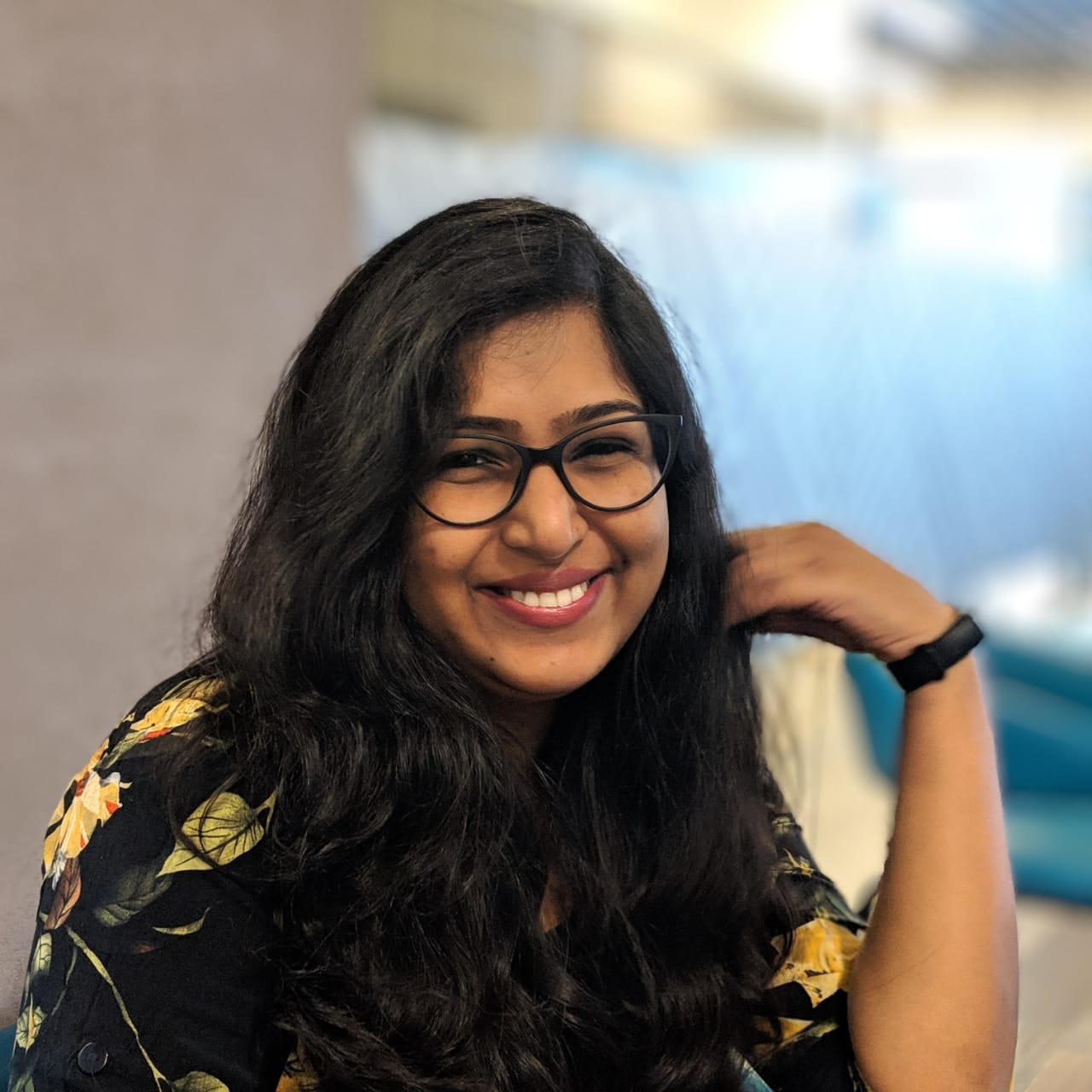
PhD Student
Charité – Universitätsmedizin Berlin
I am a computational biologist who turns large-scale omics data into clinically meaningful results — prognostic signatures, patient-stratification markers and predictors of treatment response. Currently I am a PhD student in the Computational Oncology Lab, led by Dr. Teresa G. Krieger, at the Institute of Pathology, Charité – Universitätsmedizin Berlin, where I use spatial and single-cell transcriptomics to study how tumours are organised, how they evolve under treatment, and how the resulting heterogeneity shapes patient outcomes.
I have authored 19 peer-reviewed publications, cited more than 500 times (h-index 13), including first-author studies on quantifying the epithelial–mesenchymal transition (EMT) across biological contexts and on X-chromosome dynamics in human pluripotent stem cells. The EMT scoring metrics I developed are now used by other groups across cancer and non-cancer datasets. Almost all of these papers were collaborations with experimental and clinical teams, which is the part I enjoy most: making computational results usable by people who don’t write code.
Before Berlin, I was a bioinformatician in the Cancer Systems Biology Laboratory headed by Dr. Mohit Kumar Jolly at the Indian Institute of Science (IISc), Bangalore, where I led the lab’s bioinformatics projects. Earlier, in the Developmental Epigenetics Laboratory of Dr. Srimonta Gayen at IISc, I worked on allele-specific analysis of X-chromosome inactivation. I also spent two years in industry at a biotech start-up, working in experimental molecular plant biology — bench experience that still shapes how I design analyses and talk to lab scientists.
Interests:
- Cancer Genomics
- Precision Oncology
- Biomarker Discovery
- Tumour Heterogeneity
- Drug Resistance
- Epigenetics
- Machine Learning
- Open science
- Reproducible research
Education:
I am open to conversations about computational biology and data science roles in biotech, pharma and techbio — particularly where omics, machine learning and clinical decision-making meet. The quickest way to reach me is by email or LinkedIn; links are below.